NEO-CYCLE Policy Brief
26-03-2026
The NEO-CYCLE project has published its first policy brief, presenting key results achieved after 18 months of implementation and outlining strategic directions for advancing rare earth element (REE) upcycling in Europe.
📄 Read the full Policy Brief:
👉 Download here (PDF)
Turning E-waste into Strategic Resources
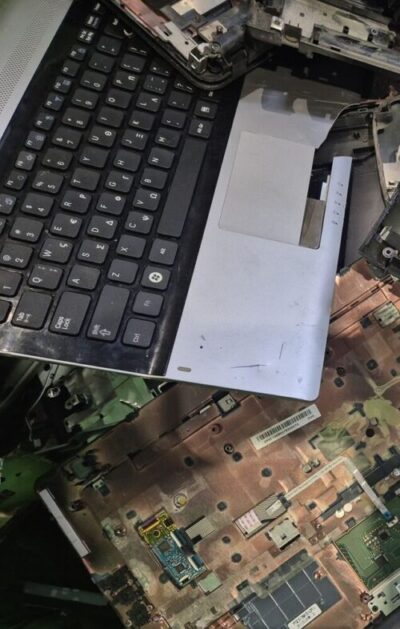
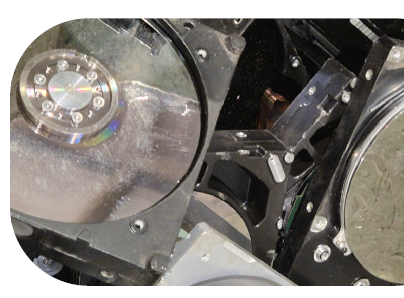
Waste electrical and electronic equipment (WEEE) is one of the fastest-growing waste streams in Europe. At the same time, critical raw materials such as neodymium (Nd), iron (Fe), and boron (B), essential for clean technologies, remain largely unrecovered.
NEO-CYCLE addresses this challenge by developing innovative technologies to recover and upcycle these materials from end-of-life electronics. The policy brief presents lab-scale validated processes, including solid-state chlorination and electrochemical leaching, demonstrating high recovery rates and strong potential for industrial application.
Key Results
- Successful lab-scale validation of technologies for recovering Nd, Fe, and B from e-waste magnets
- Development of integrated upcycling pathways into advanced materials and industrial applications
- Preliminary sustainability assessments highlighting the importance of value chain cooperation and social aspects
Supporting EU Policy Objectives
The results contribute directly to the objectives of the Critical Raw Materials Act (CRMA) and the WEEE Directive, providing evidence that higher recycling rates and circular value chains for rare earth elements are achievable in Europe.
By improving resource efficiency and reducing dependency on imports, NEO-CYCLE supports Europe’s transition towards a circular and climate-neutral economy.
Key Policy Recommendations
- Creating markets for recycled rare earth materials
- Ensuring reliable feedstock supply from e-waste streams
- Enhancing data transparency and circularity tracking
- Providing financial incentives for upcycling technologies and market uptake
Looking Ahead
As the project progresses towards pilot-scale implementation, NEO-CYCLE will continue to develop sustainable technologies, strengthen stakeholder collaboration, and contribute to shaping EU policies in the field of critical raw materials.